Mississippi Delta Blues · Trinity Graph Creative Cycle
The Mississippi Delta, 1900–1960. Red clay earth, cotton fields, juke joints, and the crossroads. Where African American music became the foundation of all American music. Where the blues was born not as entertainment but as survival — a language for grief, desire, resistance, and transcendence.
"A world of extraordinary creative convergence, born from extraordinary suffering. The flattest, most fertile, most dangerous land in America produced the richest cultural harvest."
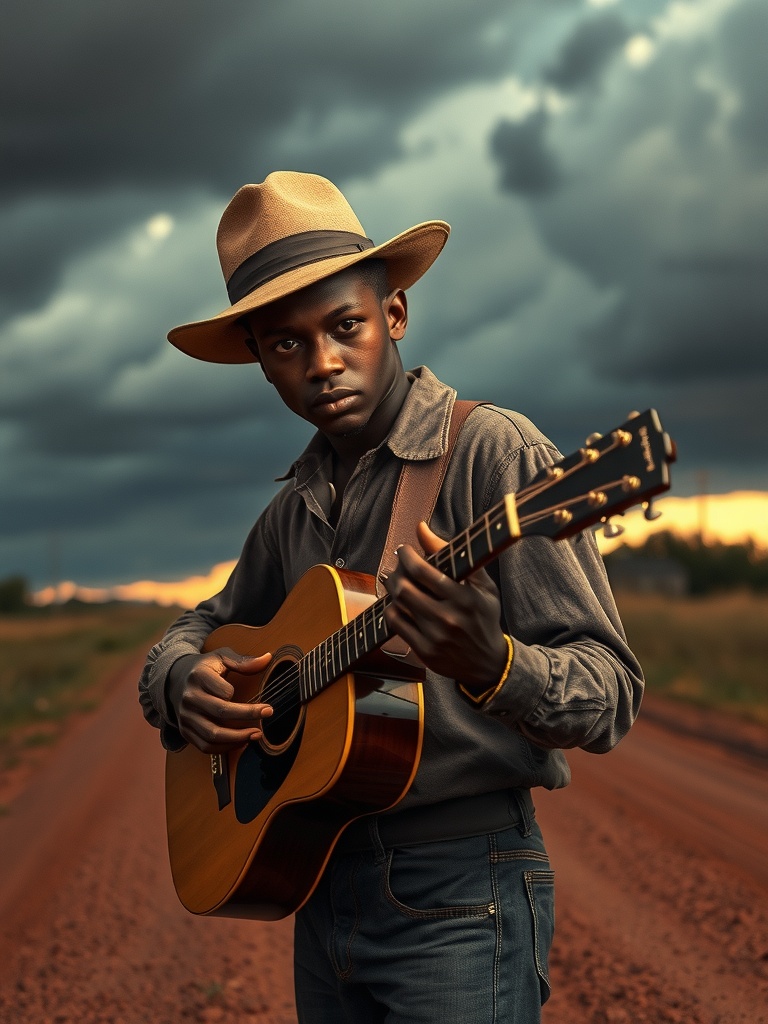
The King of the Delta Blues. Sold his soul at the crossroads — or so the legend says. 29 songs that became the DNA of rock and roll.
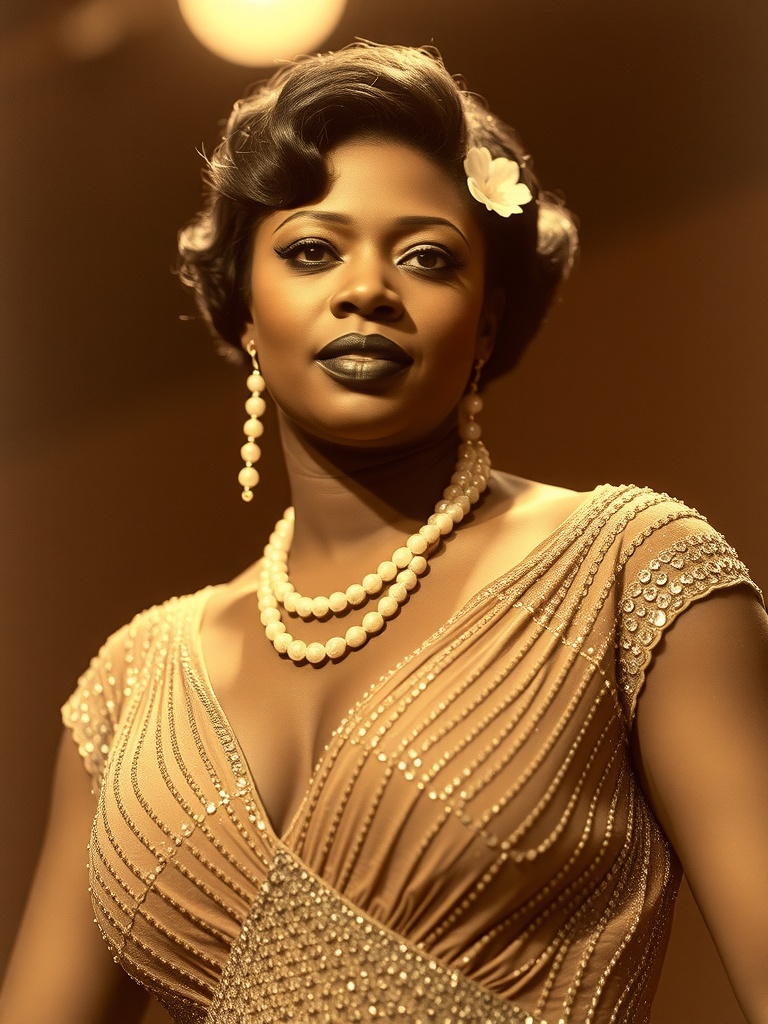
The Empress of the Blues. Her voice was a physical force. She sang about love, loss, and freedom with absolute authority.
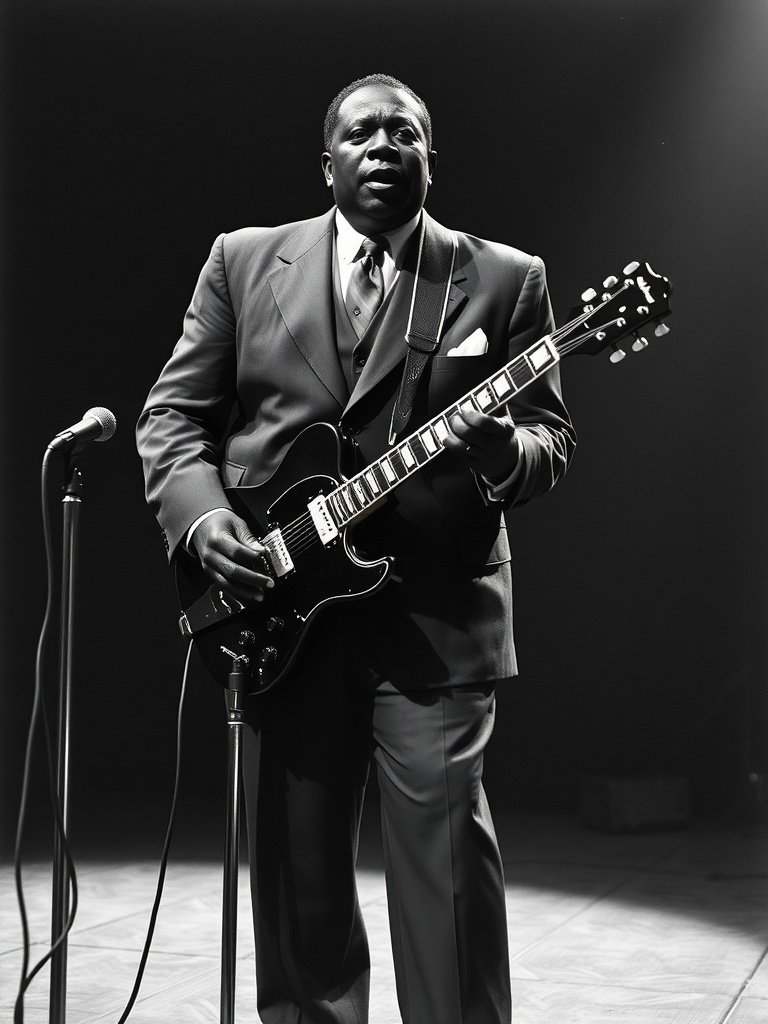
Raised on Stovall Plantation near Clarksdale. Plugged his guitar into an amplifier and invented electric blues. Every rock band is downstream of Muddy Waters.

Preacher turned bluesman — or both at once. He played guitar like he was fighting with God and losing, then winning. Robert Johnson learned from him.
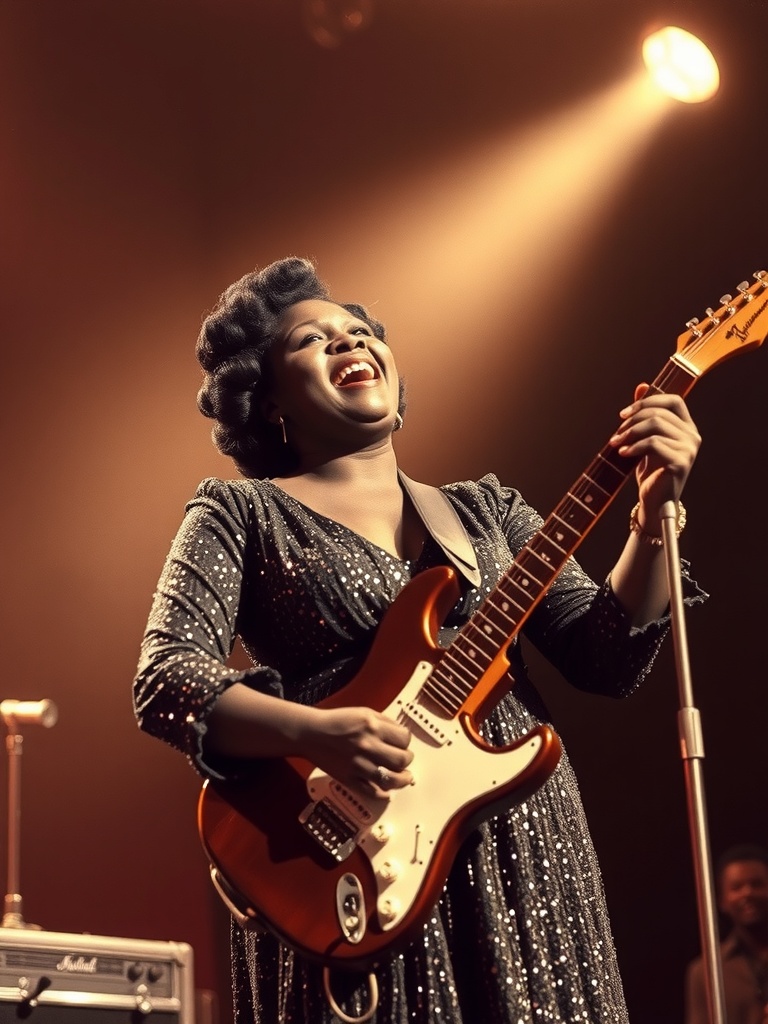
The Godmother of Rock and Roll. She performed gospel in nightclubs and nightclub music in churches. Johnny Cash, Elvis, Jerry Lee Lewis — all cited her.
The Mississippi sun beat down on the dust devils swirling around Son House and a young Robert Johnson, sweat plastering their shirts as House hammered out a blues riff on his steel guitar, patiently guiding Johnson's clumsy fingers over the fretboard. Then Johnson vanished for a spell, only to reappear with the devil in his eyes and a virtuosity that made the floorboards tremble, notes cascading from his guitar like a dark river overflowing its banks. House watched, face etched with a cold, unyielding contempt, knowing damn well the price Johnson paid for that unholy gift, a price he himself refused to consider.
The backstage air hung thick with stale cigarette smoke and anticipation, clinging to Rosetta's sequined dress like a second skin. Bessie, perched on a beat-up amp, sized her up with eyes that had seen both jubilees and heartbreak, a wry smile playing on lips painted the crimson of a late-evening sin. Rosetta met her gaze, a silent challenge in her own, her fingers already dancing a nervous tattoo on the neck of her Gibson, a holy fire waiting to be unleashed.
The Greyhound coughed him onto the curb, his guitar case heavy with Delta dust and the ghost of Robert Johnson. He found a corner on Maxwell Street, plugged into a borrowed amp crackling with nascent electricity, and laid his calloused fingers on the strings. The notes that ripped from the speaker, amplified beyond anything heard before, were still Johnson's, but now charged with the brute force of the city itself: raw, metallic, and hungry.
The Mississippi sun beat down on the dust devils swirling around Son House and a young Robert Johnson, sweat plastering their shirts as House hammered out a blues riff on his steel guitar, patiently guiding Johnson's clumsy fingers over the fretboard. Then Johnson vanished for a spell, only to reappear with the devil in his eyes and a virtuosity that made the floorboards tremble, notes cascading from his guitar like a dark river overflowing its banks. House watched, face etched with a cold, unyielding contempt, knowing damn well the price Johnson paid for that unholy gift, a price he himself refused to consider.