Five Scenes
The Mississippi Delta produced more music per square mile than anywhere in human history. These are five frames from that world — each one a window into the convergence of suffering, beauty, and transcendence that became the foundation of all American music.
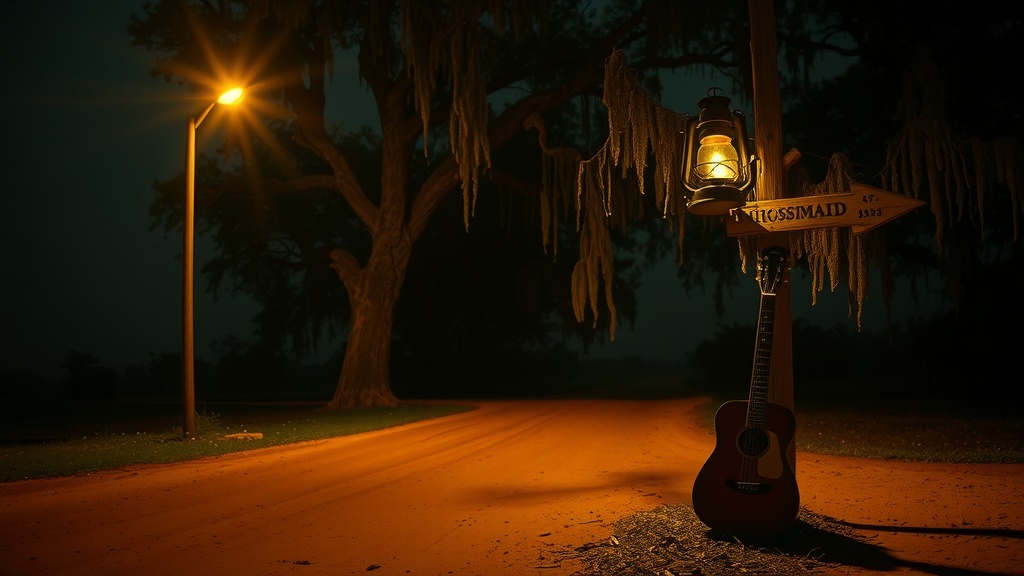
The Crossroads at Midnight
There is no historical evidence that anyone sold their soul at a Mississippi crossroads. There is overwhelming evidence that the legend was born there — in the gap between what people heard and what they could explain. A guitar playing things no one had taught. Notes falling like something remembered from another life.
"He went down to the crossroads at the midnight hour. Met a man in black clothes. Came back able to play like the sky had opened and handed him down something that shouldn't exist."Midnight · August 1938 · Greenwood, Mississippi
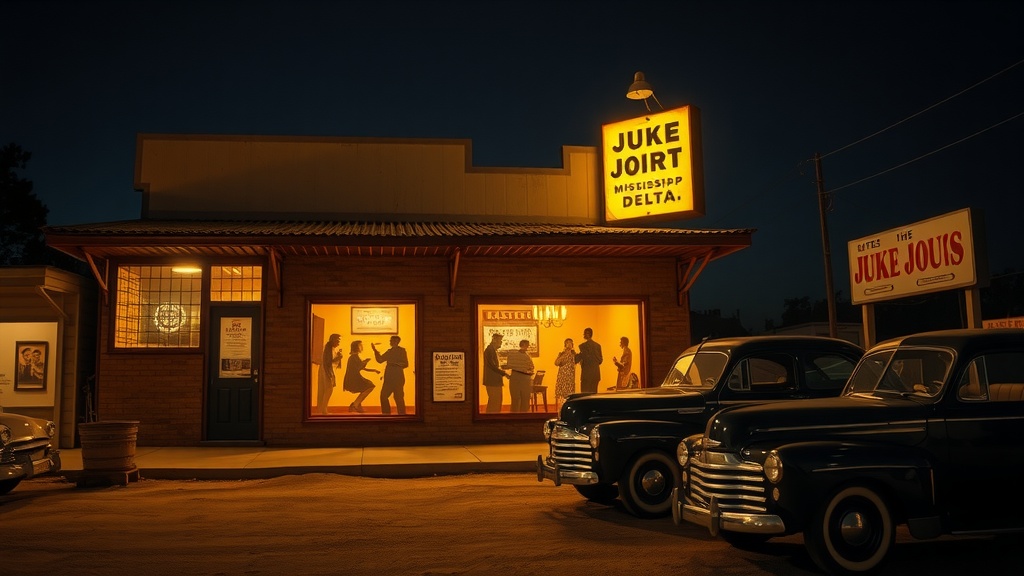
The Juke Joint
The juke joint was the one space that belonged entirely to the people who built the Delta. Six days a week of someone else's field. Saturday night was theirs. The music played until the sun came back up because everyone inside needed to feel something other than what the week had given them.
"The juke joint wasn't escapism. It was survival. The blues didn't help you forget your troubles. It helped you feel them fully enough to carry them another week."Saturday Night · Ongoing · Sunflower County
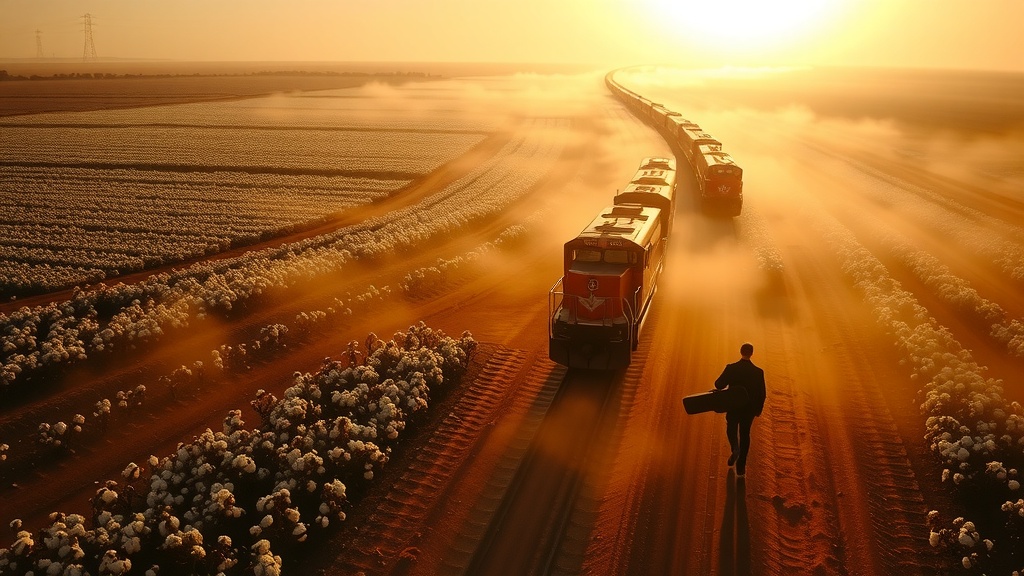
The Last Morning
In 1941, Alan Lomax arrived at Stovall Plantation near Clarksdale with recording equipment and captured what the Delta blues actually sounded like in its natural habitat. Two years later, the man he recorded packed a guitar case and took the Illinois Central north to Chicago. He never worked a cotton field again.
"He walked out of that field carrying thirty years of Mississippi in a guitar case and headed north to plug it into an amplifier. What came out of the speaker was the twentieth century."Dawn · Summer 1943 · Coahoma County
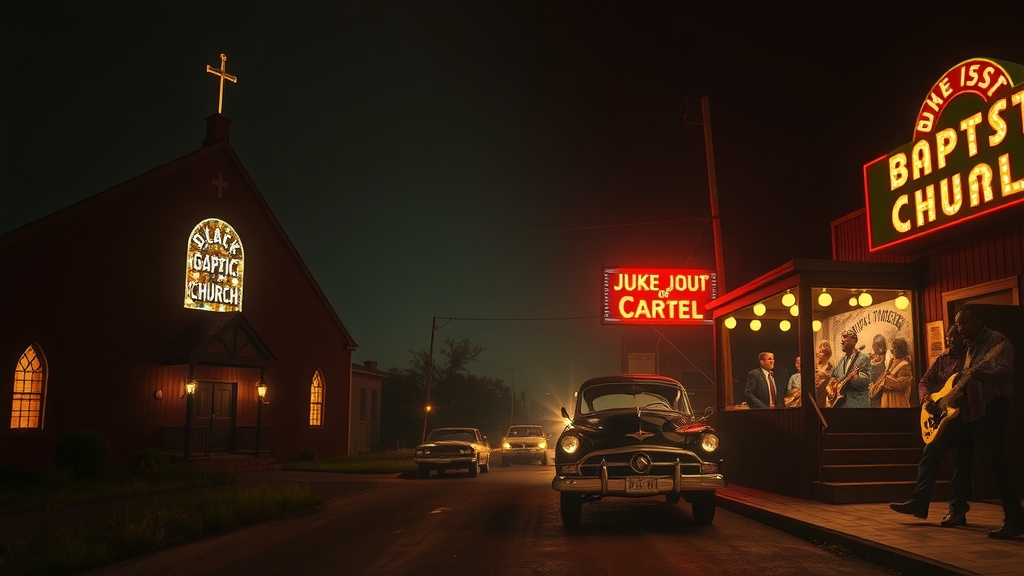
Sacred & Profane
The church and the juke joint shared the same Saturday-night congregation. The same people who screamed hallelujah at the morning service were dancing at the juke joint that afternoon. The musicians who played both spaces understood something the theologians didn't: the sacred and the profane are the same emotional frequency. One just calls it God, and the other calls it the blues.
"She played gospel in churches on Sunday morning and blues in clubs on Saturday night, and she saw no contradiction because there was none. Both were about the same thing: a human being standing up and saying, I am here. I feel this. Listen."Sunday Morning / Saturday Night · Same Soul · Mississippi
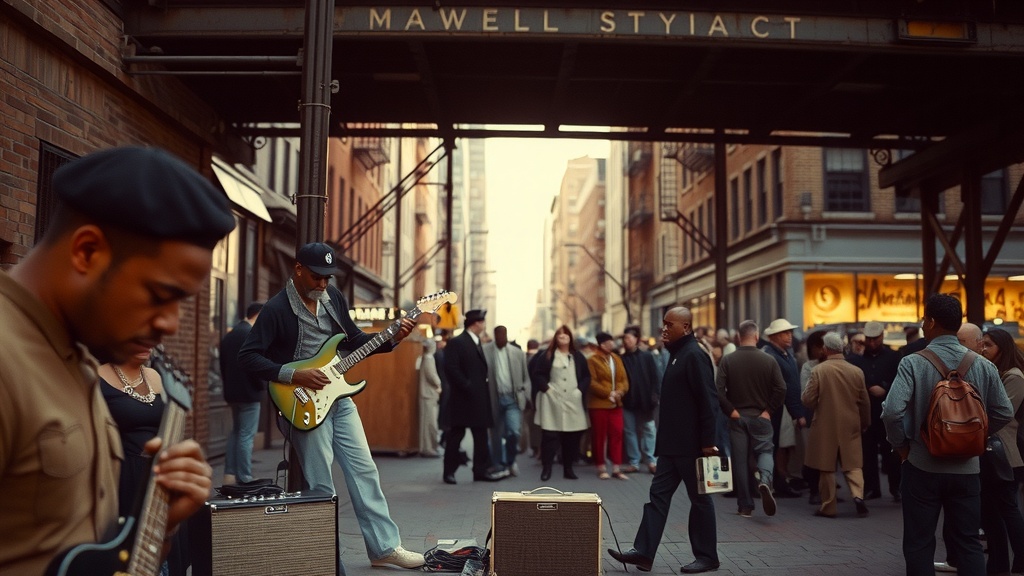
The Delta Goes Electric
Maxwell Street was where the Great Migration landed its music. Hundreds of Delta musicians arrived in Chicago with acoustic guitars and discovered electricity. The sound that came out of those amplifiers on those street corners was something the world had never heard — Delta blues, amplified, urbanized, angrier and more joyful at the same time. The British kids who heard those records a decade later called it rock and roll.
"The notes that ripped from the speaker were still the Delta's — but now charged with the brute force of the city itself: raw, metallic, and hungry. The freight train in the distance was now an elevated train overhead. Same longing. Different machine."1943–1954 · Maxwell Street · Chicago, Illinois